Blog
Logo Design: 10 Visual Trends to Watch in 2026
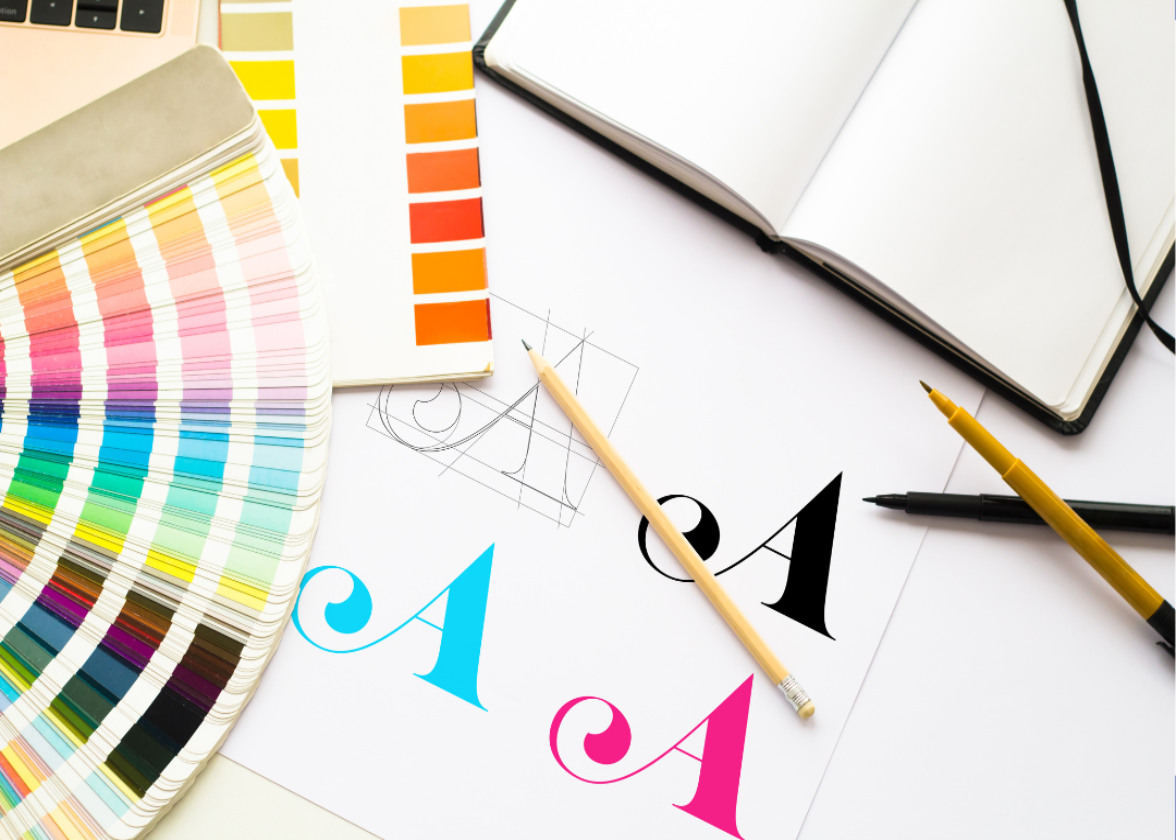
Visual identity designers are navigating a constantly evolving landscape. In 2025, artificial intelligence experienced a rapid rise and a growing desire for authenticity. As a result, logos in 2026 must be more flexible, more intelligent, and more human than ever. Whether you’re launching a new business or considering a brand refresh, understanding these trends will help you create a logo that resonates with today’s audience while staying true to your vision.
The 10 Must-Know Logo Trends for 2026
1. Warm Neo-Minimalism
Minimalism has dominated the design world for years, but in 2026, a new variation is gaining momentum. Warm neo-minimalism retains the clean, simple aesthetic of traditional minimalism while introducing muted, welcoming, and calming color palettes. This often results in logos built around one or two strong elements, soft lines, and subtle gradients.
By embracing this trend, brands create refined visual identities where every component carries meaning. With fewer elements on display, each one becomes essential to conveying your message. The result is a logo that is both impactful and memorable, communicating your brand’s essence at a glance.
2. Adaptive Visual Identity and Generative Morphing
Many companies no longer rely on a single logo, but rather on multiple versions used across different contexts:
- a simple icon for favicons and mobile apps
- a wordmark for website headers
- a combined logo for social media profile images
- and more
In 2026, adaptability goes even further. Logos are no longer static identities; they dynamically adjust to context and user behavior. Artificial intelligence plays a key role in enabling this level of personalization. A website visitor might see a different icon based on their location, the time of day, or their previous interactions with your site.
3. Kinetic Typography
Signature logos are especially popular this year, but simply writing your brand name is no longer enough. In 2026, typography itself conveys motion and energy. Designers achieve this by playing with letter placement, spacing, height, and width, creating a sense of movement and rhythm.
For example, alternating letter heights can create a wave-like effect that suggests fluidity and momentum, resulting in a logo that quickly captures attention and reflects a dynamic brand personality.
4. Bold, Intentional Pixelation
AI-generated visuals were everywhere in 2025, and the desire to stand out from these polished, overly smooth creations has fueled the rise of pixelated logo aesthetics. With sharp angles and clearly defined pixels, this style intentionally references the early days of digital design.
This nostalgic approach resonates strongly with audiences who grew up with early video games and graphical interfaces from the 1980s and 1990s. To modernize the look, pixelated icons are often paired with contemporary typefaces, creating a striking contrast between retro and modern.
5. Retrofuturistic Aesthetics
Retrofuturistic design blends nostalgic elements such as neon accents and chrome textures with a refined, polished finish. Logos inspired by this style often feature symbols that evoke shared memories from the past while embracing bold colors, dramatic gradients, and geometric shapes.
Brands can use this trend to create an emotional bridge between the past and the future. Logos from the 1950s to the 1990s—whether from companies, video games, or films—offer a rich source of inspiration.
6. Naive and Imperfect Design
As AI continues to blur the line between artificial and authentic, audiences are craving visuals that feel unmistakably human. This demand has brought naive and imperfect design into the spotlight. Logos in this style often look hand-drawn, featuring curved shapes, uneven lines, and intentional imperfections.
This approach leaves room for creativity and highlights the human side of a brand. It is especially well suited for freelancers, artisans, and businesses connected to creative or artistic fields.
7. High-Contrast Color Palettes
Even though Pantone’s Color of the Year is Cloud Dancer—a soft white—bold contrast still plays a major role in 2026. Using colors positioned opposite each other on the color wheel instantly grabs attention and helps guide the viewer’s eye.
For instance, pairing a vibrant orange with a bright blue creates immediate visual impact and strengthens brand recognition. High-contrast logos also perform better in dark mode interfaces, ensuring clarity across digital environments.
8. Tactile 3D Logos
When thinking of 3D logos, skeuomorphism from the early 2010s often comes to mind. In 2026, the approach is more refined. Designers use subtle depth, bevels, and soft shadows to create a sense of relief that lifts the logo off the background without overwhelming the design.
This tactile, three-dimensional effect communicates professionalism and sophistication while creating a sense of closeness with the audience.
9. Eco-Conscious Design
Eco-conscious logo design focuses on strategic choices that reduce ink usage during printing. This includes clean outlines, thoughtful use of negative space, and light color palettes that require fewer resources.
When aligned with your brand values, incorporating natural elements can further reinforce your environmental commitment and visually communicate sustainability.
10. Neuro-Inclusive Design
Neuro-inclusive design prioritizes accessibility for everyone, including neurodivergent individuals. To apply this concept to your logo and brand identity, ensure strong color contrast, clear and simple iconography, and avoid overly complex or visually overstimulating designs.
This approach is especially relevant for organizations in education, healthcare, social services, or any brand that wants to demonstrate a genuine commitment to inclusivity and accessibility.
Remember, trends are tools, not obligations. They should enhance your message, not dilute it. Your logo remains a reflection of your unique identity. Choose the elements that align with your values and your audience, then adapt them in a way that feels authentic to your brand.
Ready to create a logo that stands out in 2026? Explore the FreeLogoDesign logo maker, unleash your creativity, and bring to life a visual identity that truly represents you.
About the author
Roxane has been writing for as long as she can remember and always dreamed of making a living from her words. Today, as a web writer, editor, and author, she can proudly say: mission accomplished.
More tips and tricks on the blog